If you’re one of the millions of new viewers who tuned into The International 15 in 2026 and left wondering what on earth was happening on screen, you’re not alone. Dota 2 has a reputation for a steep learning curve, but once you break down its core systems, it’s far more approachable than you might think. This guide breaks down how Dota 2 works for total new players, with no confusing jargon or outdated meta takes that don’t apply to 2026 play. We’ll stick to the fundamentals that apply to every casual and ranked match, so you can jump into your first game with confidence.
Core Objectives: The First Part of How Dota 2 Works in 2026
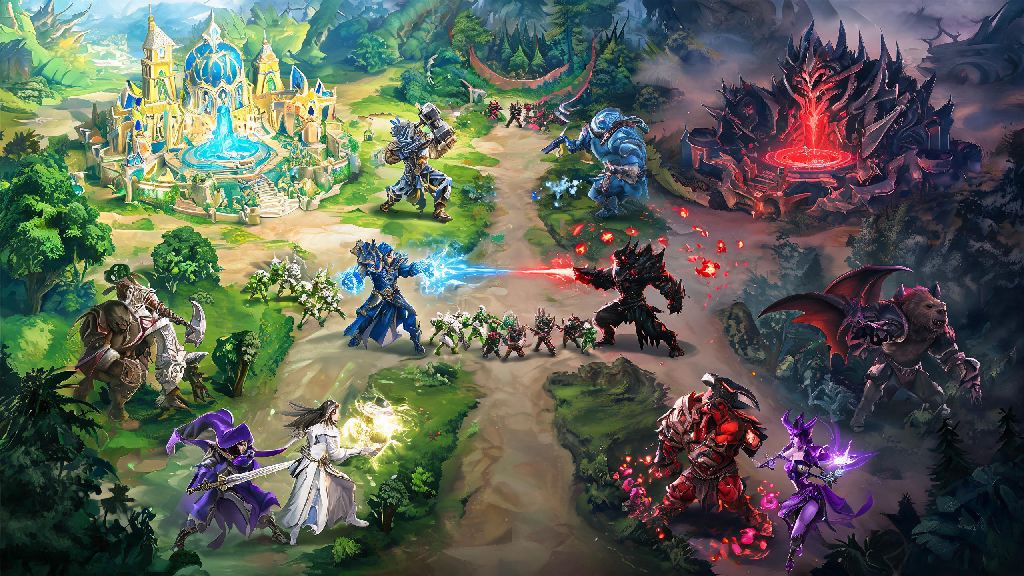
Every Dota 2 match pits two teams of 5 players against each other: the Radiant, based in the lower-left corner of the map, and the Dire, based in the upper-right. The entire map is split into three core lanes that connect the two bases, plus a jungle area filled with neutral creeps on either side of the lanes. AI-controlled lane creeps spawn every 30 seconds and walk down each lane automatically, fighting any enemy units they encounter along the way.
Each lane is guarded by a series of defensive towers, followed by barracks, and finally the enemy Ancient at the center of each base. Your only goal for the entire match is to destroy the enemy’s Ancient before they destroy yours. There are no alternative win conditions like capturing points or collecting resources, so every play you make should tie back to getting closer to that core goal.
You’ll also find high ground barriers around each base that block vision and give defenders a 25% damage advantage. That means you can’t just rush the enemy base 10 minutes into the match, even if you’re ahead on kills. You have to take down outer towers first, then barracks, before you can safely push onto the enemy’s high ground to attack their Ancient. Destroying barracks also makes your own lane creeps stronger, which makes pushing deeper into enemy territory easier.
Hero Roles and Selection for 2026 Casual and Ranked Play
Before every match, you’ll pick one hero from a roster of over 120 unique options, each with their own abilities, strengths, and weaknesses. While the 2026 meta is more flexible than it was even two years ago, every hero fits into one of 5 set roles that define their job for the match. If you’re new, it’s best to pick a role that matches your playstyle before you worry about countering the enemy team’s picks. You don’t have to memorize every hero right away, but learning the core roles will make every match make far more sense.
Many new players want to jump straight into playing carry because it feels like the most impactful role, but that’s usually a bad idea. Carry players need to have a solid understanding of last hitting, map positioning, and item builds to be useful, and you’ll get far less criticism if you learn the basics on a support role first. I usually recommend new players start with position 5 heroes like Crystal Maiden or Lich, since their kits are straightforward and you don’t have to worry about farming for the first 20 minutes of the match.
In-Game Economy and Progression Rules for 2026 Matches
Gold and experience are the two most important resources in every Dota 2 match, and how you earn and spend them will make or break your team’s chances of winning. Experience is earned automatically any time you’re near a dying unit, whether that’s a lane creep, neutral creep, or enemy hero. The more experience you have, the higher your level, and the more abilities and stat boosts you unlock. The highest level you can reach in a match is 30, and most players hit that mark in the late game if the match runs long.
Gold works a little differently. You get a small amount of passive gold every second, but the vast majority of your gold comes from landing the killing blow on a unit, a mechanic called last hitting. If you don’t land the final hit on a creep, you get zero gold for it, even if you damaged it a bunch. That’s a big difference from other popular MOBAs, and it’s one of the first skills new players need to practice. You can practice last hitting in a private lobby against no enemies to get the timing down before you jump into a real match.
You spend gold on items that boost your stats, give you new active abilities, or add utility for your team. In 2026, neutral items still drop from jungle creeps at set time intervals, and these free items can give your team a huge advantage if you distribute them to the right players. You also have the option to spend gold to buyback if you die, instead of waiting for your respawn timer, but the 2026 ranked play update increased the buyback cooldown to 8 minutes, so you should only use it if your team is defending their Ancient or taking a critical objective. Wasting a buyback to get one extra kill early in the game can cost you the match later on.
2026 Meta Tips to Avoid Common New Player Mistakes
Even if you have all the core mechanics down, there are a few common mistakes that make new players lose far more matches than they need to. The first is ignoring vision control. Wards are cheap items that let you see parts of the map that would otherwise be hidden, and placing them in high-traffic areas will stop you from getting ambushed by enemy players roaming the map. If you’re playing a support role, you should be spending almost all of your extra gold on wards for the first 20 minutes of the match. Even carry players should carry a ward or two in their inventory late in the game to avoid getting caught alone.
Another common mistake is chasing kills across the map instead of focusing on objectives. It can feel satisfying to get a kill on an enemy hero, but if that means you lose a tower or let the enemy carry free farm for 2 minutes, it’s almost always a bad trade. For example, if you get a kill on the enemy mid laner but lose your own mid tower in the process, you just gave the enemy team far more map control than you gained from that single kill. Always prioritize towers, barracks, and neutral objectives over unnecessary kills.
Don’t be afraid to mute toxic teammates, either. The 2026 update added improved report and mute tools that let you block all chat, voice chat, and even pings from toxic players with one click. I’ve lost count of how many new players tell me they almost quit the game because of a single toxic teammate, but muting them instantly makes the match far more enjoyable, and you won’t miss any critical information if you’re paying attention to the map. The report system also now issues temporary bans for first-time toxic offenders within 24 hours, so you don’t have to worry about running into the same toxic player repeatedly.
Dota 2 might feel overwhelming at first, but once you get a handle on how Dota 2 works, it’s one of the most rewarding multiplayer games you can play in 2026. You don’t have to master every hero or mechanic right away; start with unranked matches, pick a simple role, and focus on learning one new skill every match. Most new players start to feel comfortable with the core systems after 10 to 15 matches, and once you get past that initial learning curve, you’ll see why it’s had such a loyal fanbase for over 15 years. Don’t get discouraged by early losses — even pro players lose almost half of their matches, and every loss is a chance to learn something new.