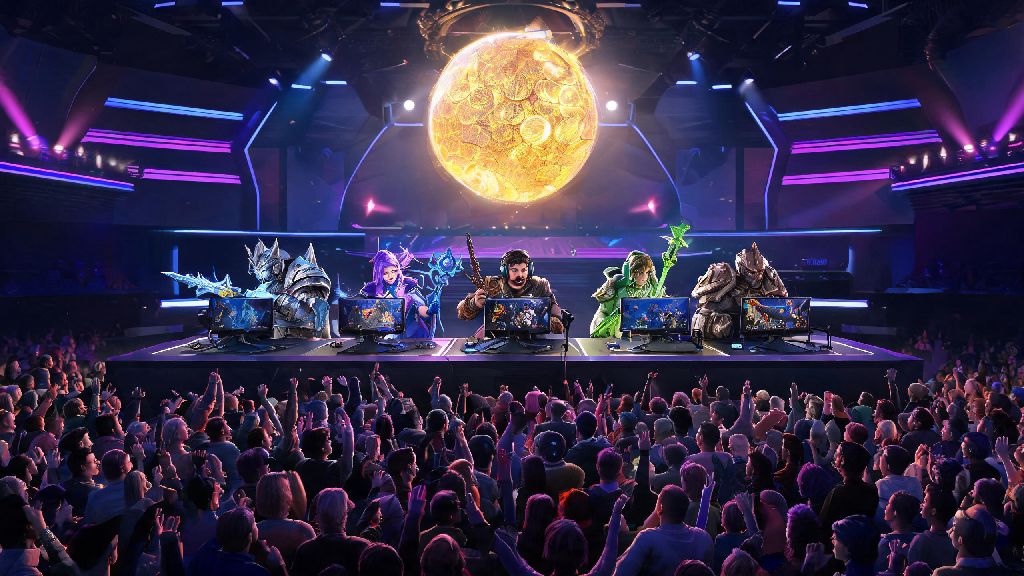
If you’ve stumbled on Dota 2 tournament clips on TikTok in 2026 or heard friends raving about the latest International prize pool, you’ve probably wondered how long has dota 2 been out. The game has stuck around far longer than most competitive online titles, and its staying power isn’t just luck — it’s built on decades of community passion, iterative updates, and a competitive scene that keeps drawing millions of viewers every year. Even if you’ve never played a MOBA before, understanding Dota 2’s history makes it way easier to get why the community is so loyal, and what you can expect if you decide to download the game for the first time this year.
How Long Has Dota 2 Been Out in 2026? Full Release Timeline Breakdown
As of 2026, Dota 2 has been fully released for 13 years, with its original closed beta launching two years earlier in 2011. The title was developed by Valve after they hired IceFrog, the lead designer of the original Defense of the Ancients mod for Warcraft 3, to build a standalone version of the fan-favorite custom game. The first ever Dota 2 International tournament was held in 2011 to promote the beta, with a $1.6 million prize pool that was unheard of for esports at the time.
Many long-time fans consider the original Dota mod’s 2003 launch as the unofficial start of the franchise, even if the standalone Valve title came a decade later. A lot of the core mechanics, hero designs, and community norms carried over directly from the mod, which is why players who started with the Warcraft 3 version still feel right at home playing Dota 2 in 2026. The full launch in 2013 made the game free to play for everyone, and that price point has stayed the same ever since.
It didn’t take long for the game to become a global phenomenon. By 2015, it had over 10 million monthly active players, and the International’s prize pool had grown to over $18 million, funded almost entirely by player purchases of in-game cosmetic battle passes. That crowdfunding model for prize pools is still used for the International in 2026, and it’s been copied by dozens of other esports leagues around the world.
Key Reasons Dota 2 Has Stayed Popular for Over a Decade in 2026
The game’s strict no-pay-to-win model is one of its biggest retention drivers for both new and long-time players. Every single hero is available for free the second you make an account, and the only items you can buy with real money are cosmetic skins, announcer packs, and other customization options that have zero impact on gameplay. You’ll never lose a match because an opponent spent more money than you, which is a huge contrast to many other live service games released in the last 10 years.
Valve has also always prioritized community feedback when making updates to the game, which has helped keep the player base invested in its long-term success. The top reasons the game still has a massive active audience in 2026 include:
I’ve had friends who stopped playing in 2018 come back last year, and they only needed 2 or 3 matches to get back into the swing of things, which is almost unheard of for live service games that get full reworks every year. Valve never makes drastic changes to the core mechanics, so returning players don’t have to re-learn the entire game from scratch.
What New Players Can Expect From Dota 2 in 2026
If you’re wondering how long has Dota 2 been out and if it’s too late to start, the short answer is no. New player onboarding in 2026 is drastically more user-friendly than it was even 5 years ago, with a 10-part interactive tutorial that teaches you basic mechanics like last hitting, ability usage, and team roles before you ever jump into a match with real people. You’ll only be matched against other brand new players for your first 50 casual matches, so you don’t have to worry about getting crushed by veterans while you’re still learning.
You don’t need to memorize all 120+ heroes to have fun — most new players stick to 3-5 easy, beginner-friendly heroes for their first few months, and that’s totally acceptable to the community, especially in casual lobbies. There are also tons of alternative game modes if you don’t have time for a full 45-minute ranked match, including Turbo mode that cuts match times in half, and thousands of custom games made by the community, from auto battlers to social deduction games.
The common stereotype about Dota 2 having an overly toxic community is also largely outdated in 2026. Valve rolled out improved chat moderation, automated report systems, and behavior score matching a few years ago, so players with positive in-game behavior are almost always paired with other friendly players. You’ll run into the occasional rude player, but that’s true for every online game, and it’s far less common than it was 5 or 10 years ago.
Common Misconceptions About Dota 2’s Lifespan in 2026
One of the most common myths you’ll hear online is that Dota 2 is a dying game because it’s been around for so long. That couldn’t be further from the truth. Dota 2’s daily concurrent player count has held steady at 650,000 to 750,000 since 2023, with spikes to over 1.2 million during major tournaments. That’s way higher than most MOBAs that launched in the last 5 years, and the player count has stayed consistent even as new competing titles come and go.
Another big misconception is that you have to play 40 hours a week to be any good at Dota 2. The game’s matchmaking system is extremely accurate, so you’ll always be paired with players of almost exactly the same skill level as you, no matter how often you play. Lots of casual players only play 1 or 2 matches a week, and they still have just as much fun as players who grind ranked every day.
Some people also assume that all Dota 2 content is made for veteran players, but that’s not the case either. There are hundreds of content creators on TikTok, YouTube, and Twitch making beginner-friendly guides, hero breakdowns, and funny clip content that’s accessible even if you’ve never played a single match. The pro scene also has more coverage in 2026 than ever before, with broadcasts in 15+ languages and official watch parties held in cities all over the world during the International.
Whether you’re a curious new player or a lapsed fan thinking about coming back, asking how long has dota 2 been out is just the start of exploring one of the most rich, rewarding gaming communities ever built. Thirteen years after its full launch, the game is still going strong, with no signs of slowing down any time soon. If you’ve been on the fence about giving it a try, 2026 is one of the best years to jump in, thanks to better onboarding, more casual game modes, and a more welcoming community than ever before. You don’t have to commit to becoming a pro — even a few casual matches a week can give you hours of fun, and a front row seat to one of the most iconic competitive gaming scenes in the world.