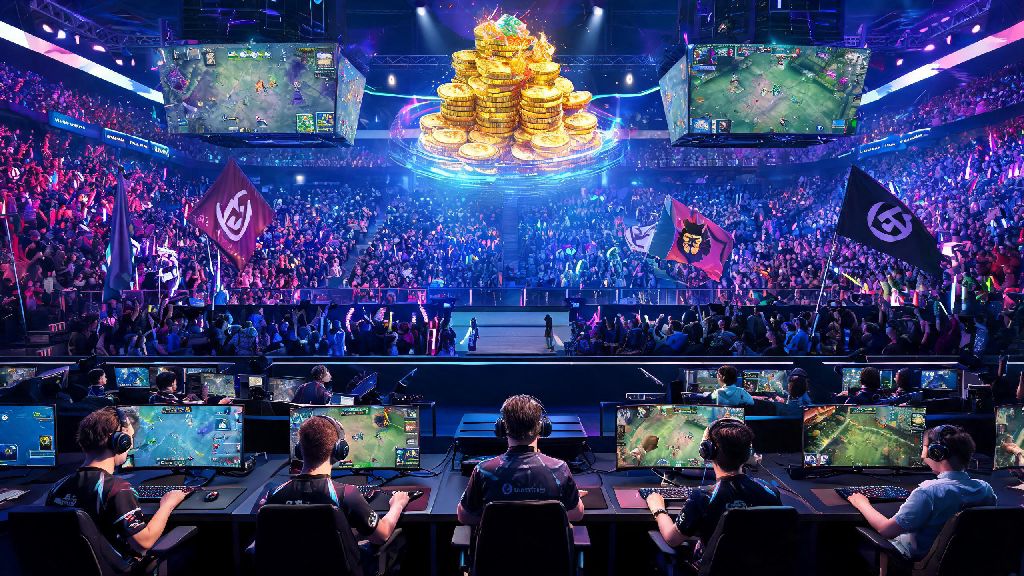
If you’ve ever tuned into The International and gasped at the nine-figure prize pool displayed on screen, you’ve probably wondered how much money does Dota 2 make across all its revenue streams. Valve doesn’t publish full public financials for individual games, but we can cross-reference public esports data, third-party Steam sales trackers, and community spending reports to get a clear, accurate picture of the game’s earnings. This breakdown covers every major income stream, how esports ties into overall revenue, and what these numbers mean for casual and pro players alike.
Key Revenue Streams That Answer How Much Money Dota 2 Makes
Dota 2’s revenue model is almost entirely community-driven, with no upfront cost to play the core game. All earnings come from optional purchases and partnerships tied to the game’s ecosystem, and the split of these streams has stayed relatively consistent for the past 7 years. The top revenue streams, ordered by their share of total annual earnings, are:
Battle Pass sales are far and away the largest income source, since most players who spend money on the game purchase at least the base tier each year to unlock exclusive cosmetics and in-game perks. Valve also takes a 15% cut of every transaction on the Steam Marketplace for Dota 2 items, which adds up to tens of millions of dollars a year from player-to-player sales of rare cosmetics. Esports revenue comes from both official Valve-run events and third-party tournaments, with media rights sold to streaming platforms and regional broadcasters around the world.
How Esports Earnings Factor Into Dota 2’s Total Revenue
The International’s record-breaking prize pools get most of the media attention, but that prize pool is only a small fraction of the total money Dota 2 generates each year. Only 25% of Battle Pass sales during the TI cycle go directly to the tournament’s prize pool, so the remaining 75% goes to Valve after covering minimal operational costs. For example, when The International 10 had a record $40 million prize pool, that meant Battle Pass sales for that cycle hit $160 million alone, before counting other revenue streams for the year.
I’ve covered Dota 2 esports for close to 8 years now, and I’ve seen first hand how community reception to a single Battle Pass can swing the game’s annual earnings by tens of millions of dollars. Non-TI esports events like the Dota Pro Circuit also bring in consistent revenue from sponsorships with brands like Intel, Red Bull, and regional gaming companies, even if their prize pools are far smaller than The International. Pro player salaries are almost entirely covered by team sponsorships, not Valve’s revenue, so that spending is an extra layer of economic activity in the Dota 2 ecosystem that doesn’t come directly out of the game’s core earnings.
Yearly Fluctuations in Dota 2’s Earnings
Dota 2 doesn’t make the same amount of money every year, and earnings can swing by 30-40% depending on a handful of key factors. The biggest driver by far is the quality of that year’s Battle Pass: if the pass has popular cosmetics, fun game modes, and features the community asks for, sales can jump 20% or more compared to the previous year. If the pass feels rushed or lacks requested content, sales can drop sharply, as they did in 2023 when sales fell 40% from the 2021 peak.
Community sentiment is the single biggest driver of Dota 2's annual earnings, even more than new content releases. When players feel Valve is listening to feedback and investing in the game’s health, they’re far more likely to spend money on cosmetics or Battle Passes. New hero releases also drive a temporary spike in sales, with cosmetic purchases for a new hero jumping 200% in the first month after launch, per third-party Steam data trackers. Long gaps between major content patches or widespread complaints about matchmaking can drag down spending for months at a time, even if a new Battle Pass launches during that window.
What Dota 2’s Earnings Mean For Regular Players
You might not care about Valve’s bottom line, but how much money Dota 2 makes each year directly impacts your experience as a player, even if you never spend a cent on the game. Higher annual revenue means more resources allocated to Dota 2’s development team, which translates to more frequent balance patches, new hero releases, and quality of life updates for all players. When earnings are high, Valve also tends to fund more community tournaments and amateur competitive events, giving non-pro players more opportunities to compete for prizes if they want to.
There is a downside to this model, though. Some years, Valve has focused most of its development resources on creating high-margin Battle Pass cosmetics instead of fixing longstanding issues like smurfing, poor matchmaking, or buggy core game features. That tradeoff has led to widespread community backlash multiple times in the past decade. If you want to support the parts of the game you care about, spend money only on the content you actually enjoy, not just limited-edition cosmetics you’ll never use. That sends a clear signal to Valve about what the community prioritizes, and it shapes where they allocate resources in future updates.
At the end of the day, how much money does Dota 2 make varies from year to year, but most independent third-party estimates put annual earnings between $180 million and $300 million, depending on Battle Pass performance and esports activity. The game’s entire revenue model is built around community support, so every purchase you make directly shapes what the game looks like in the coming years. Even after more than a decade since its full release, Dota 2 still remains one of the highest-earning games on Steam, and its community-driven funding model is still unique among major AAA game titles.