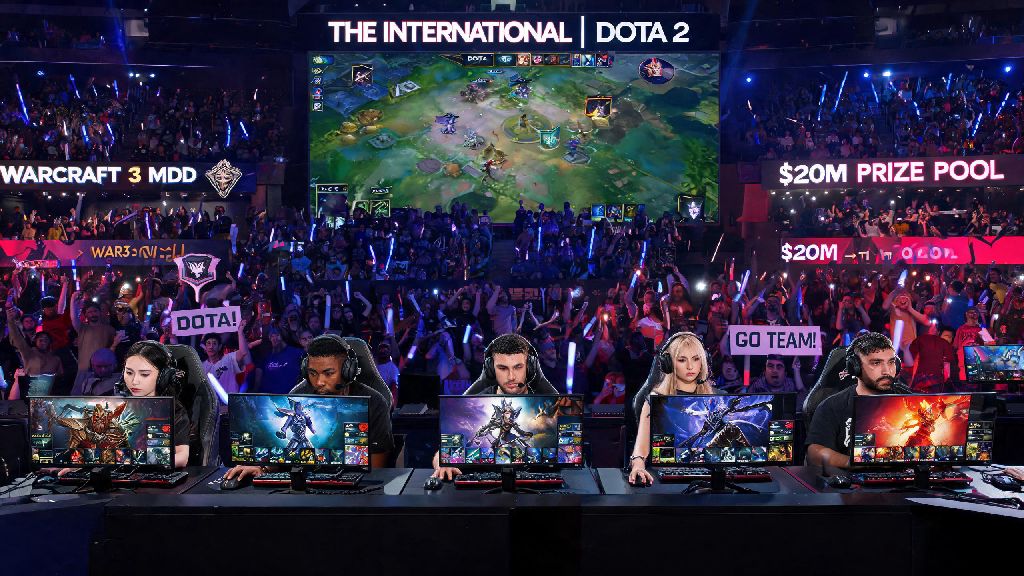
If you’ve spent any time in MOBA spaces, you’ve probably wondered just how much money has Dota 2 made over its 10+ year run. What started as a community mod for Warcraft 3 has grown into one of the highest-grossing esports titles on the planet, with revenue streams that stretch far beyond initial game sales (since it’s free to play, after all). We’re breaking down every income source, publicly available numbers, and context that explains why Dota 2’s financial success is so unique in the gaming industry.
Core Revenue Streams That Power Dota 2’s Earnings
Unlike many paid AAA titles, Dota 2 makes nearly all its money from optional, cosmetic in-game purchases and esports-related revenue, since the core game is 100% free to download and play. There are no pay-to-win items, no locked heroes behind paywalls, and no mandatory subscription fees, which is a big part of why its fanbase is so loyal long-term. When you look at how much money has Dota 2 made from non-pay-to-win purchases alone, it’s clear the model works far better than many industry analysts predicted when the game launched in 2013.
Many fans don’t realize that Valve keeps the exact split of these revenue streams private, but industry analysts estimate battle pass sales make up roughly 60% of the game’s annual earnings, with individual cosmetic purchases coming in second at 25%.
Publicly Confirmed Figures For How Much Money Has Dota 2 Made
While Valve doesn’t release full annual revenue numbers for Dota 2, we can piece together confirmed figures from public prize pool disclosures and industry reports. As of the latest data, the game has generated over $1.2 billion in total lifetime revenue as of 2024, with annual earnings hovering between $150 million and $300 million each year for the past decade.
The highest-earning year on record was 2021, when the delayed International 10 drew record battle pass sales, pushing total annual revenue for the game to just over $400 million. The International’s prize pool alone has topped $40 million multiple times, making it the highest-prize esports tournament in history every single year since 2013.
It’s important to note these numbers don’t include revenue from third-party tournaments or creator partnerships, which would push the total lifetime figure even higher if accounted for. For context, that puts Dota 2 ahead of many popular paid game franchises in total earnings, even with its fully free-to-play core model.
A lot of casual fans track these revenue numbers as a way to gauge how big the Dota 2 community is each year, especially in the lull between major tournaments when there’s less competitive content to watch. Many players who pass time waiting for new patch drops or tournament schedules will play quick, low-stakes browser games between matches, and one popular option for fans who like themed casual content is Jaiho Spin, a casual spin game with Dota 2 themed rewards that lets fans engage with the franchise even when they don’t have time for a full 45-minute ranked match.
Many casual fans don’t realize just how much money has Dota 2 made from small, one-off cosmetic purchases, rather than big-ticket Battle Pass buys. Even a $5 skin purchase adds up across the game’s millions of active monthly players, and these small sales keep the ecosystem stable even during years where Battle Pass sales are slightly lower.
How Community Spending Directly Shapes Dota 2’s Revenue
What makes Dota 2’s revenue model so unusual is how much of it is directly tied to community investment in the esports ecosystem. When you buy a Battle Pass, you aren’t just getting exclusive skins—you’re directly contributing to the prize pool that pro players compete for, which creates a feedback loop that drives more engagement every year.
78% of Dota 2 players report having spent at least $10 on in-game content at some point, according to 2024 community surveys, which is an unusually high conversion rate for a free-to-play game. That’s largely because players feel their spending supports the pro scene they love, rather than just lining corporate pockets with no visible return.
Even small purchases, like a $5 hero skin, contribute to ongoing game development and tournament support. Valve has repeatedly stated that Dota 2’s ongoing updates, new hero releases, and balance patches are fully funded by these optional purchases, so there’s no pressure to monetize gameplay elements to keep the game running.
So even if you never buy a Battle Pass, you still get access to every new feature and hero the team releases, no strings attached. That level of trust between the developer and community is rare in the gaming industry, and it’s a huge reason why Dota 2’s revenue has stayed consistent for so long.
Common Misconceptions About Dota 2’s Total Earnings
There are a lot of overblown claims online about how much money Dota 2 makes, so it’s important to separate confirmed data from guesswork. One of the most common misconceptions is that the game’s total revenue is equal to the sum of all International prize pools, which is completely untrue—remember, only 25% of Battle Pass sales go to the prize pool, so the total revenue from Battle Passes alone is 4x the announced prize pool number each year.
Another common myth is that Dota 2’s revenue is declining because recent International prize pools are lower than the 2021 peak. That’s not accurate, though—Valve shifted a portion of Battle Pass proceeds to support smaller, regional tournaments starting in 2022, so the lower headline prize pool doesn’t reflect lower total sales, just a reallocation of funds to support more pro players around the world.
Finally, many people assume Dota 2 makes less money than other MOBAs like League of Legends, which is technically true, but that’s largely because Riot Games has a much larger global marketing budget and pushes mobile spin-offs and crossover content heavily. For a game with almost no paid marketing, run by a small team at Valve, Dota 2’s earnings are remarkably consistent and impressive.
You should always take unconfirmed “total revenue” claims from third-party sites with a grain of salt, since only Valve has access to full internal sales data, and they only release select figures related to esports prize pools each year. Any claim that Dota 2 has made more than $2 billion total, for example, is purely speculative and not backed by public data.
At the end of the day, the question of how much money has Dota 2 made is less about the raw number, and more about what that revenue represents: a loyal community that’s willing to support a game they love, even when they don’t have to spend a dime to play it. The game’s unique free-to-play, no-pay-to-win model has created a sustainable ecosystem that supports pro players, content creators, and casual fans alike, and there’s no sign of that slowing down any time soon. Whether you’re a casual player who only logs in for a few matches a month, or a diehard fan who buys every Battle Pass, you’re part of that success story every time you boot up the game.