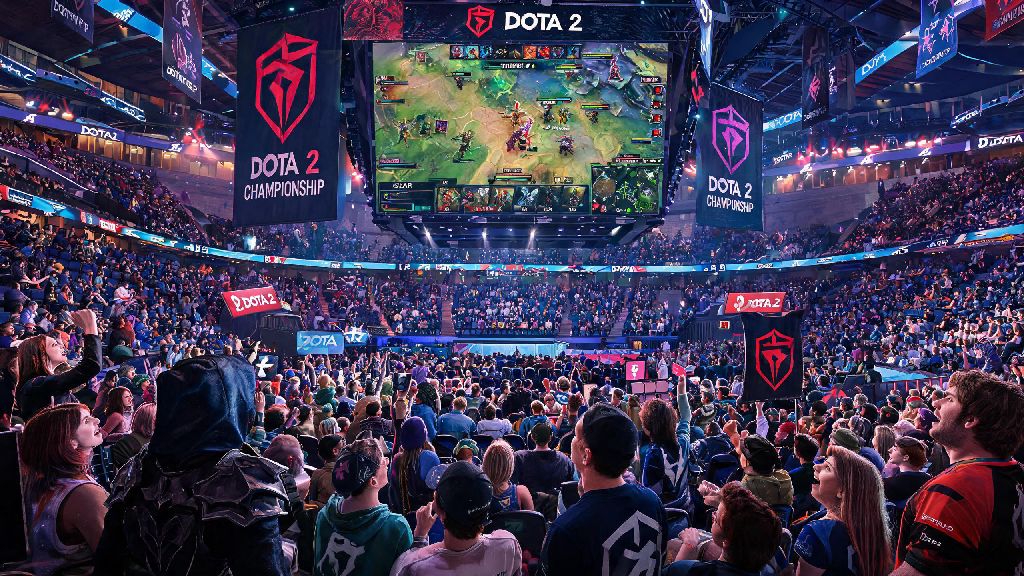
If you’ve ever scrolled gaming social media at 1am, walked past a packed esports viewing party at your local college, or had a friend spend 20 minutes ranting about a bad ranked match, you’ve probably asked yourself how popular is Dota 2. First launched in 2013 as a standalone sequel to a wildly popular Warcraft 3 mod, it’s easy to assume the game would have faded into obscurity by now, especially with the constant flood of new competitive games hitting the market every year. But Dota 2 hasn’t just survived — it’s maintained a loyal, massive global following that most game developers can only dream of. We’re breaking down hard data, community trends, and cultural impact to give you a clear, unbiased answer about the game’s current reach.
How Popular Is Dota 2 by Active Player Count?
The most straightforward way to measure a game’s popularity is by its active player base, and Dota 2’s numbers are surprisingly consistent even 11 years after its full release. As of the latest available data, the game regularly hits a peak concurrent player count of 1.1 to 1.3 million on Steam alone, with an average concurrent count of around 450,000 players online at any given time. Dota 2 has maintained a top 3 position on Steam’s most played games list every single year since 2013, only trailing behind long-time staples like Counter-Strike 2 and occasionally PUBG.
These numbers only count players on the official Steam client, too. They don’t include players on private servers, LAN café players (a huge segment in Southeast Asia and Eastern Europe), or people who only play custom game modes without logging official playtime. When you add those groups in, industry analysts estimate the game has roughly 9 to 11 million monthly active players worldwide. Unlike many other competitive games that see massive spikes when a new season or update drops, then sharp declines a few weeks later, Dota 2’s player count stays remarkably stable month over month. That’s because its steep learning curve filters out casual players who don’t want to invest time into learning the game, leaving a core audience that sticks around for years, even decades.
Esports Viewership and Tournament Scale That Sets Dota 2 Apart
Dota 2’s esports scene is one of the biggest in the world, and its flagship tournament, The International (TI), is legendary among gaming fans for its massive prize pools and high production value. The prize pool for TI is crowdfunded in part by in-game purchases from players, so the total pot is a direct reflection of how engaged the community is each year. The latest iteration of TI had a total prize pool of over $18 million, with the winning team taking home more than $5 million. The International’s cumulative prize pool has crossed $300 million total across all iterations, more than any other esports tournament series in history.
Viewership numbers match the scale of the prize pools. The 2024 TI grand finals hit a peak concurrent viewership of 2.7 million on Western streaming platforms, and that number jumps to over 15 million when you add viewership from Chinese streaming platforms that aren’t counted in standard global metrics. I’ve watched regional Southeast Asian Dota Pro Circuit matches at 2am local time and the chat was still moving so fast I could barely read individual messages, which says a lot about how dedicated the fan base is even for non-major tournaments. Regional leagues across Europe, the Americas, and SEA regularly pull in 100,000+ concurrent viewers per match, even for lower-tier teams that don’t qualify for TI.
Cultural Reach Beyond Active Gaming Circles
A lot of people assume Dota 2’s popularity is limited to people who actively play ranked matches, but that couldn’t be further from the truth. Dota 2’s cultural footprint extends far beyond people who actively play the game, with references and spin-off content reaching people who have never even loaded a match in their life. Some of the most notable examples of this broader reach include:
Netflix even released an official Dota 2 animated series, Dota: Dragon’s Blood, that ran for three full seasons between 2021 and 2022. The Dota: Dragon's Blood anime series on Netflix generated over 100 million viewing hours in its first two months of release, introducing millions of people who had never touched the game to its lore and characters. There are also Dota 2 themed cafes, official clothing collaborations with major brands like Adidas, and even local community meetups in hundreds of cities worldwide that have nothing to do with playing the game competitively.
Common Myths About Dota 2’s Popularity Debunked
Because Dota 2 doesn’t get the same constant viral marketing push as newer games, there are a lot of common myths floating around about its current popularity that don’t line up with data. The most common myth you’ll see is that “Dota 2 is dead” — but as we covered earlier, its player count has stayed almost completely stable for the last 7 years, even as other competitive MOBAs like Heroes of the Storm have shut down entirely. It’s not growing as fast as brand new games, but its retention rate is higher than almost any other competitive title on the market.
Another common myth is that Dota 2 is only popular in China. While China does have a large Dota 2 player base, more than 70% of active players are based outside of China, across Southeast Asia, Eastern Europe, and the Americas. SEA alone accounts for roughly 40% of the global active player base, with Eastern Europe making up another 25%. Roughly 30% of people who watch Dota 2 esports tournaments do not actively play the game themselves, so a big part of its popularity comes from people who only engage with the esports side or the community content, not the game itself.
There’s also a myth that only ultra-hardcore gamers play Dota 2, but that’s not true either. Roughly 20% of active Dota 2 players never touch ranked mode at all, and many only play custom game modes like Ability Draft or custom tower defense maps with friends. You don’t need to spend 10,000 hours learning every hero’s ability to enjoy the game or be part of the community.
When you add up all the player count data, esports viewership numbers, and cultural footprint, it’s clear the answer to how popular is Dota 2 goes far beyond simple download counts. It’s not the flashiest, most viral game on the market right now, and that’s exactly what makes its popularity so impressive. Unlike games that blow up for a few months then disappear entirely, Dota 2 has built a sustainable, passionate community that sticks around through bad patches, controversial tournament decisions, and every other hurdle that comes its way. You don’t have to be a 10,000 hour ranked main to be part of that community, either — whether you only watch TI once a year, mess around in custom games with friends, or just laugh at the memes, you’re part of the reason the game has stayed relevant for over a decade. If you’ve been on the fence about diving in, there’s never been a better time to join the millions of people who call the Dota 2 community home.