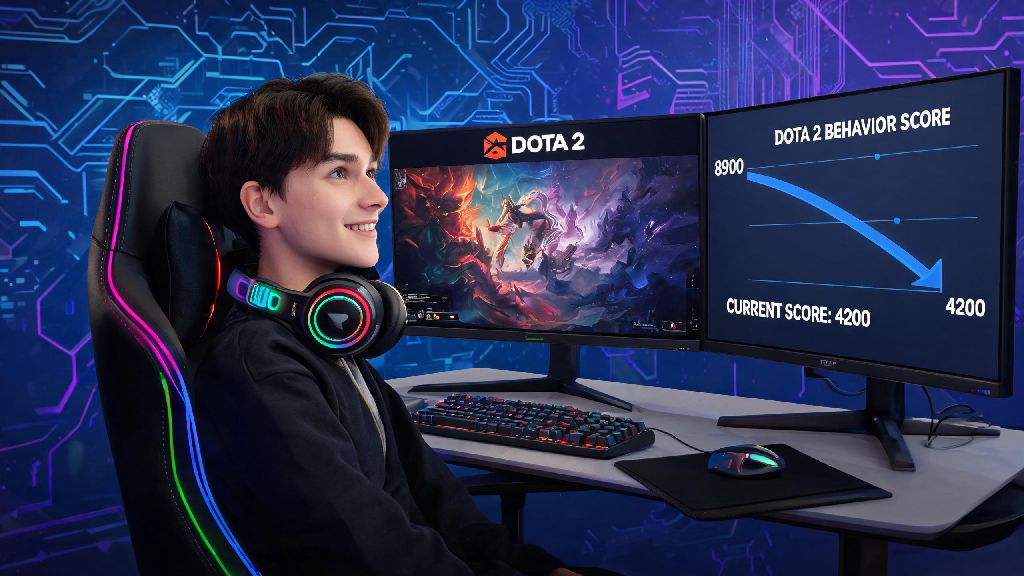
If you’ve ever waited 15+ minutes for a Dota 2 match only to end up in a lobby full of yelling, trolling teammates who abandon halfway through, your behavior score is probably to blame. I learned this the hard way back when I had spotty college internet; I disconnected from three ranked matches in one week, and my lobbies got so bad I almost quit playing entirely. Once I figured out how to check dota 2 behavior score, I realized mine had dropped 800 points, and I could fix the issue with a few small changes to how I played. This guide walks you through exactly how to find your score, what affects it, and how to raise it if it’s lower than you’d like.
How to Check Dota 2 Behavior Score In 3 Simple Steps
Finding your behavior score takes less than a minute once you know where to look, and you don’t need any third-party tools to access it. First, boot up Dota 2 and navigate to your personal profile page by clicking your avatar in the top right corner of the main menu. Make sure you’re on the main profile tab, not the match history or stats tab, or you won’t see the right options. Your behavior score is never displayed publicly to other players, so you don’t have to worry about others judging your rating if it’s lower than average.
Next, scroll down past your match summary, win rate, and hero stats until you see the “Behavior” section. Your score will be listed as a number between 0 and 10000, with a short descriptor next to it like “Very Good” or “Needs Improvement” depending on where you fall. If you don’t see it immediately, make sure you’ve updated Dota 2 to the latest version, as older patches hid the score deeper in the settings menu. That’s all there is to it; you don’t have to submit a request or link any extra accounts to see your current rating.
What Factors Impact Your Dota 2 Behavior Score?
Your behavior score isn’t a random number pulled out of thin air; it’s calculated based on your actions across every match you play, both ranked and unranked. The system is designed to reward positive play and punish toxic or disruptive behavior, so you have full control over whether your score goes up or down over time. These are the main factors that go into your rating:
Many new players assume that their in-game performance, like KDA or win rate, affects their behavior score, but that’s not true at all. You can go 0/15 in a match and your score won’t drop at all as long as you don’t abandon, feed on purpose, or abuse other players. Abandoning even one ranked match can drop your score by 100 points or more if multiple players report you for leaving. That’s why it’s always better to finish a game even if you’re getting crushed, unless you have a genuine emergency that forces you to log off. Valve’s system automatically flags repeat offenders, so toxic behavior that gets ignored once will lead to score drops if you keep doing it.
Common Misconceptions About Dota 2 Behavior Score
There’s a lot of bad information floating around online about how the behavior score system works, and a lot of it leads players to make mistakes that tank their rating unnecessarily. One of the most common myths I hear is that other players can see your behavior score when you join a lobby, but that’s never been true. The only person who can see your score is you, so you don’t have to hide it from friends or teammates if you’re working on raising it.
Another common myth is that low behavior score only leads to chat restrictions or mute penalties. In reality, low behavior score has a much bigger impact on your match making: you’ll be paired with other low-score players, wait far longer for matches, and deal with way more toxic, trolling players in every lobby. I noticed my queue times dropped from 20 minutes to 3 minutes once I got my score back up to 9000, and I barely ever run into toxic players anymore. There is no way to pay to raise your behavior score, no matter what third-party sites claim. Any site that says they can boost your score for money is a scam, and you’ll likely get your account banned if you use their services.
Many players also think that false reports will automatically drop their score, but the system has built-in protections against that. If a player reports you for no reason, the system will cross-reference that report with your in-game actions and your long-term behavior history. Even if you get falsely reported once, the system will ignore the report if you have a long track record of positive play. You only have to worry about reports if you actually did something to deserve them, like yell at teammates or abandon a match.
Easy Tips to Raise Your Behavior Score Fast
If you checked your score and it’s lower than you expected, don’t panic; you can raise it by 1000+ points in just a few weeks if you follow these simple tips. The first and most important tip is to never abandon a match, no matter how bad it’s going. Even if all four of your teammates are trolling and yelling at you, just mute them and play until the match ends. You’ll avoid the huge score drop that comes with abandoning, and you might even get a commend from an opponent for sticking it out.
Second, avoid engaging with toxic players at all costs. If someone starts yelling at you in chat or voice, mute them immediately instead of arguing back. It’s easy to snap and send a rude message when someone is calling you names, but that will only lead to them reporting you, and you could lose hundreds of points over a meaningless argument. Muting players who are being toxic is one of the most effective ways to avoid getting reported yourself, since you won’t be tempted to respond with rude messages.
Third, make an effort to give out commendations to players who deserve them. If a support buys you wards all game, or a teammate stays calm even when the team is losing, give them a commend after the match. Most players will commend you back if you commend them first, and those small positive actions add up fast over time. You don’t have to commend every player every match, just make a habit of giving one or two commendations out each time you play.
Finally, stick to positive or neutral communication if you do use chat or voice. Instead of typing “stop feeding you idiot” when a teammate dies, try typing “it’s okay, let’s group up next time” or just use a ping to suggest what to do next. You don’t have to be overly friendly, but avoiding negative language will drastically cut down on the number of reports you get, even if you’re having a bad game.
At the end of the day, your Dota 2 behavior score is just a reflection of how you show up to matches, and it’s far easier to maintain a high score than most players think. Once you know how to check dota 2 behavior score, you can track your progress as you make small changes to how you interact with other players, and you’ll start noticing better lobbies and shorter queue times long before you hit the 10000 score cap. Even if your score is really low right now, just stick to the tips we covered, and you’ll be back in positive lobbies before you know it.