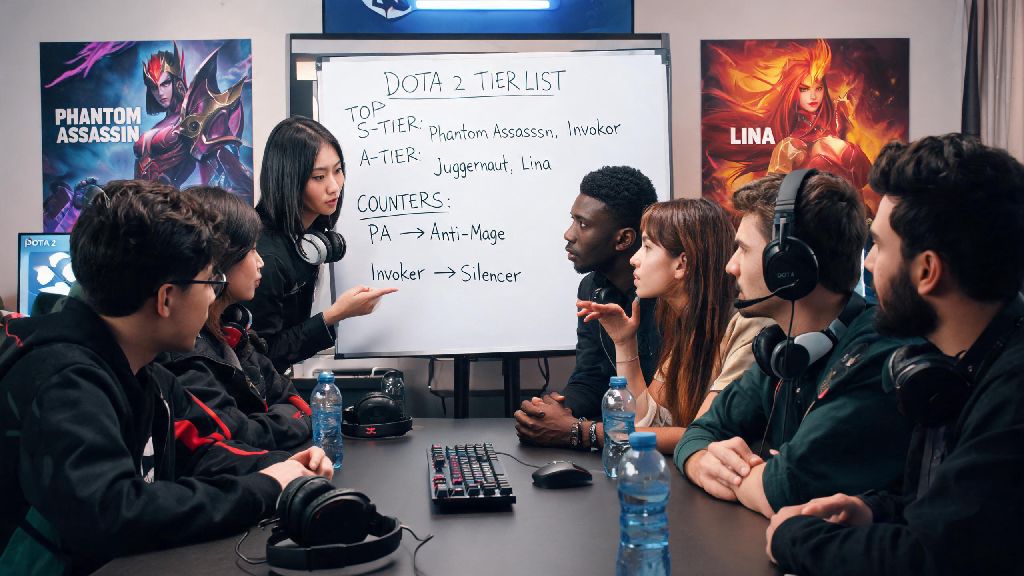
I’ve spent the last four years coaching amateur Dota 2 rosters, taking three separate teams from open qualifier pools all the way to regional group stage matches. When I first started, I thought good coaching just meant knowing every meta hero and counter pick by heart. I quickly learned I was wrong. Coaching this game is 40% game knowledge and 60% people management, and most new coaches burn out because they focus on the wrong parts of the role. If you’re looking to figure out how to coach Dota 2 for your friend group’s ranked stack or a competitive amateur team, the tips in this guide are all lessons I learned the hard way through dozens of lost matches and frustrated team meetings.
Core Principles to Follow When Learning How to Coach Dota 2
Before you dive into draft tier lists or replay reviews, you need to set a few ground rules for yourself as a coach. These rules will keep you from making the same mistakes I made in my first six months of coaching, when I drove two players off my team by being too rigid with my game plans.
Player-centric development beats rigid game plans every time. You can have the most well thought out strategy for a match, but if it doesn’t fit the playstyles of your five players, it won’t work. For example, if your carry player is best at aggressive, early-fight heroes like Phantom Assassin or Juggernaut, forcing them to pick a slow, farm-heavy hero like Anti-Mage just because it’s meta will only lead to them underperforming. You’ll get far better results building your strategies around what your team already does well, instead of making them adjust to your ideas.
You don’t have to be a top 100 MMR player to be a great coach. A lot of people write off coaching because they’re only Immortal rank 500, or even Archon for lower-stakes ranked stacks. That’s nonsense. Some of the best professional Dota 2 coaches hover around 4k to 5k MMR, because their strength is analyzing team patterns, coordinating communication, and identifying opponent weaknesses, not hitting 10 last hits per minute in a solo queue lane. Your job isn’t to outplay your players, it’s to help them play better as a unit.
Consistency matters more than one-off big adjustments. Don’t overhaul your entire team’s playstyle after one lost match. Small, regular changes stick far better than massive, sudden shifts. For example, if your team keeps losing because of bad vision, start by having them place two extra defensive wards per match for a week, instead of demanding they memorize every ward spot on the map immediately.
Your core responsibilities as a coach can be broken down into three clear areas, no matter what skill level your team is at:
How to Build a Winning Draft Framework for Your Team
Drafting is one of the most high-stakes parts of any Dota 2 match, and it’s usually the first area new coaches focus on. But most new coaches draft the wrong way, prioritizing meta counters over their team’s actual strengths.
Your draft should always play to your team’s strengths first, counter the opponent second. I learned this lesson the hard way during my first regional qualifier match. We were up against a team that ran a very strong Phantom Lancer draft, and I spent three days planning a counter draft that picked Naga Siren to push lanes and counter his illusions. The only problem? Our offlane player had less than 10 total games on Naga Siren. We lost the draft phase before the game even started, because he couldn’t keep up with the farm and pressure required for the hero. Now, I always ask my players for a list of their top 3 comfort picks for each role before I start planning any draft.
That doesn’t mean you shouldn’t counter your opponent at all, of course. If you know the enemy mid player picks Invoker in 70% of their matches, it’s smart to have a few counter picks like Storm Spirit or Shadow Fiend ready to go, as long as your mid player is comfortable on them. Leave 1-2 flexible picks for the final phase of the draft to adapt to surprises. Don’t lock in all three of your core heroes in the first phase, because you’ll leave yourself open to hard counters that you can’t adjust for. I usually save one core pick and one support pick for the last two phases, so I can respond to whatever the enemy team throws at us.
You should also set clear decision-making rules for the draft before the match starts. Decide who has final say if there’s a disagreement between you and a player, so you don’t waste 10 seconds of draft time arguing about which hero to pick. Most of the time, I let players make the final call for their own role, as long as it fits with the overall draft plan.
In-Game Coaching Best Practices for Low-Stress, High-Performance Play
Once the match starts, your job shifts from a planner to a support system for your players. A lot of new coaches make the mistake of trying to control every single move their team makes, which just makes players tense and less likely to make good decisions on their own.
Call out specific, actionable information instead of vague commands. Yelling “don’t go there” or “fight them” is useless for your players, because they don’t have context for your call. Instead, say things like “Nyx Assassin just showed top lane with his blink, so don’t go into the bottom jungle without a sentry” or “Tidehunter used his ultimate 20 seconds ago, we can jump their carry now.” Specific calls give players the information they need to make their own choices, instead of forcing them to follow your orders blindly.
Never criticize players in the middle of a match. Even if a player makes a huge, obvious mistake, calling them out mid-game will only make them more nervous and more likely to make another mistake. I once had a support player accidentally use a smoke of deceit right before we were about to gank the enemy mid lane, which gave away our position. If I’d yelled at him right then, he probably would have stopped making active plays for the rest of the match. Instead, I just said “no worries, we’ll wait two minutes for the next smoke, let’s set up vision around Roshan for now.” We ended up winning that match after taking Roshan a few minutes later, and we talked about the smoke mistake in the post-game review instead.
Pause only for critical adjustments, not for every small mistake. It can be tempting to pause every time your team loses a team fight to explain what went wrong, but frequent pauses break your team’s flow and come off as unsportsmanlike to the other team. I only pause if we’ve lost two team fights in a row to the same exact strategy, or if we need to completely change our game plan after a bad lane phase. For small mistakes, I just make a quick note to talk about them later, and keep the match moving.
You should also keep an eye on your team’s energy levels during long sets. If you’re playing a best-of-five and your team just lost two close matches, take a five minute break between games to get water, stretch, and reset their mood, instead of jumping straight into replay review. Tired, frustrated players don’t play well, no matter how good your tactical advice is.
Post-Game Review: Turn Mistakes Into Long-Term Skill Growth
The post-game review is where most of your team’s actual growth will happen, but it’s also the part of coaching that most people get wrong. Bad reviews make players defensive and less willing to improve, while good reviews can make even a lost match feel like a win because everyone knows what to work on next.
Start every review with 2-3 positive takeaways from the match first. Even if you lost in 20 minutes, there’s always something your team did well. Maybe your mid lane got first blood, or your support placed really good vision around the enemy jungle early on. Starting with positive feedback makes players more open to hearing the constructive criticism that comes after. If you start the review by listing every mistake they made, they’ll just tune you out immediately.
When you do talk about mistakes, don’t just say “that was a bad play.” Explain why it was a bad play, and what they should do differently next time. For example, instead of saying “you shouldn’t have jumped their carry alone,” say “you jumped their carry when their Oracle had his entire kit up, and we didn’t have any follow up stuns to help you. Next time, wait for our Tidehunter to be in position before you initiate.” That way, the player understands the reasoning behind your feedback, instead of just feeling like you’re yelling at them.
Assign specific, small practice tasks instead of generic “play more” advice. Telling a player to “get better at last hitting” or “practice more support” doesn’t give them any clear direction. Instead, give them tasks that are easy to track and complete. For example, if your carry is missing a lot of last hits in the laning phase, tell them to play 5 carry matches over the week and focus on hitting at least 80 last hits in the first 10 minutes of each game. If your support is struggling with ward placement, tell them to place at least 15 defensive wards per match, and you’ll review their ward spots in the next team meeting.
Don’t skip reviews for matches you win, either. Even if you won easily, there are almost always small mistakes you can fix to make your team even stronger. I once had a team win a qualifier match, but our carry wasted two buybacks on unnecessary fights during the late game. We pointed that out in the review, and he avoided making that same mistake in the next round, where we won a close 40 minute match because he had his buyback available for the final team fight.
At the end of the day, learning how to coach Dota 2 is as much about managing people as it is about understanding game mechanics. You don’t need to have the highest MMR on your team, or know every single obscure hero interaction, to be a great coach. What you do need is patience, a willingness to listen to your players, and a focus on steady, consistent improvement instead of immediate wins. I still lose matches with my teams every now and then, but every lost match gives us something new to work on, and that’s the fun part of coaching. Over time, you’ll watch your team grow not just as players, but as a group, and that’s far more rewarding than any single tournament win.