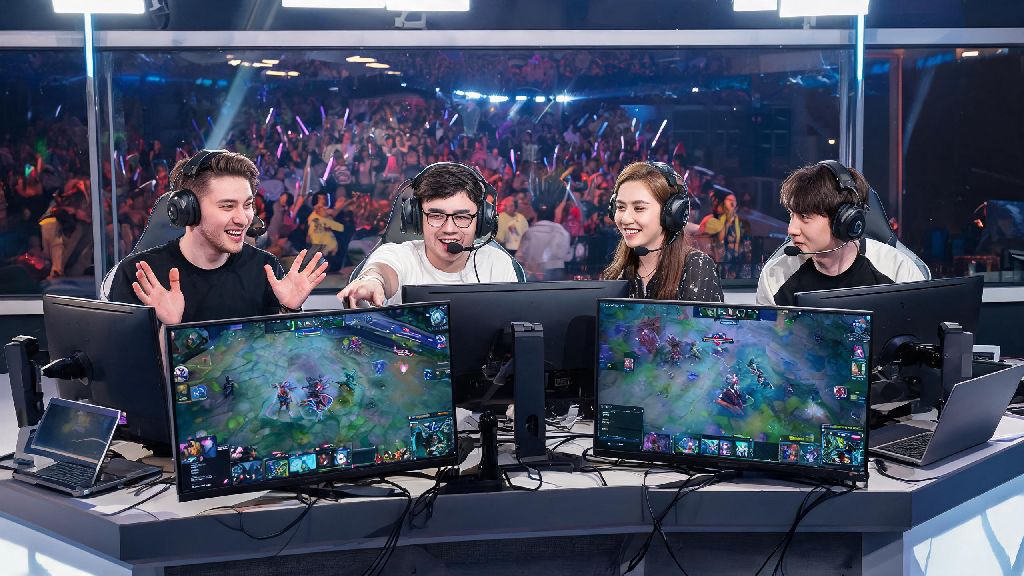
If you've ever watched a Dota 2 major or ranked pub stream and found yourself hanging on every joke, play call, and meta breakdown from the hosts, you've probably wondered how much do Dota 2 casters make for the work they do. I’ve talked to a handful of freelance Dota 2 casters over the years while covering local esports events, and most say the public perception of their pay is wildly off base. Many fans assume all on-air talent pulls in six-figure salaries just for showing up to events, but the reality is far more nuanced, with pay varying wildly based on experience, event size, and additional work you don't see on camera. Unlike pro players whose prize pools make headlines, caster pay is rarely public, so we pulled together real insights from industry insiders and public disclosures to break down exactly what you can expect if you're looking to get into casting, or just curious about how your favorite hosts get paid.
Core Factors That Determine How Much Do Dota 2 Casters Make
There’s no one-size-fits-all pay scale for Dota 2 casters, since every event and talent contract is negotiated individually. Four key factors almost always dictate how much a caster will earn for any given gig, and they apply to both new talent and household names in the space. Even two casters working the same event can have vastly different pay rates depending on these variables, so don’t be surprised if you hear conflicting numbers from different talent.
It’s also worth noting that casters who specialize in niche areas, like lower level ranked analysis or open qualifier coverage, often have lower pay rates than casters who cover high-profile professional matches, since the audience for that content is smaller. Casters who can speak multiple languages also tend to command higher rates, as they can fill spots for regional broadcasts that would otherwise require hiring two separate talent.
Earnings Breakdown By Caster Experience Level
We can split Dota 2 casters into three rough experience tiers to make it easier to understand pay ranges across the industry. These numbers are pulled from anonymous industry surveys and public disclosures from casters who have talked about their pay on stream, so they’re a realistic look at what most talent can expect, not just the top 1% of hosts.
Rookie casters with 0-2 years of experience, who mostly cast local open qualifiers or small online community events, usually earn between $100 and $300 per broadcast day. Many new casters even work for free for the first 6-12 months of their career, just to build a portfolio of work they can show to bigger tournament organizers. It’s almost impossible to make a full time living at this tier, so most rookie casters keep part time jobs while they build their reputation.
Mid-tier casters with 2-5 years of experience, who have regular spots at DPC regional leagues or lower-tier major events, earn between $500 and $1,500 per broadcast day. Many of these casters also pick up side work like casting pub scrims for pro teams, making YouTube meta analysis content, or streaming their own ranked games on Twitch to supplement their income. Many mid and top-tier casters also pick up sponsorships from gaming and esports adjacent brands that pay extra for on-air mentions or social media posts. These can range from peripheral brands to esports betting platforms that target Dota 2 fans who want to wager on match outcomes during big tournaments. For example, many popular Dota 2 talent have partnered with MBM Bet for short, relevant ad spots during DPC broadcast breaks, which can add anywhere from $5,000 to $20,000 per partnership depending on the caster's reach.
Top-tier casters with 5+ years of experience, who are regulars at The International and major global events, earn between $2,000 and $5,000 per broadcast day for high-profile gigs. Top TI casters can earn upwards of $100,000 total for the full duration of The International, when you combine base pay, performance bonuses, and sponsorship activations that run during the event. Many of these top casters also have full time contracts with production companies like PGL or ESL that pay six-figure base salaries on top of event pay, so they have steady income even between major tournaments.
Hidden Work That Impacts Caster Pay
A lot of fans think casters just show up, talk for a few hours, and collect a check, but that's far from the truth. Most casters spend 3-5 hours preparing for every single broadcast day, researching team stats, player backstories, recent meta shifts, and storyline angles to make their commentary feel engaging and informed. I’ve seen casters pull all nighters researching 10+ teams ahead of a major qualifier just to make sure they don’t mix up player roles or recent team swaps on air, and that work is never compensated directly.
Freelance casters also have to spend hours pitching themselves to event organizers, negotiating contracts, and handling their own taxes and insurance, which cuts into their total take home pay. Unlike full time employees, they don’t get health benefits or paid time off, so they have to build those costs into their per-event rates to make a sustainable living. Many freelance casters end up taking home 30-40% less than their advertised day rate once they cover all their business expenses.
Even full time casters are often required to travel across the world for events on short notice, with little time off between busy broadcast stretches. It’s not uncommon for casters to work 12+ hour days for two weeks straight during major events, with only one or two days off in that entire window. That demanding schedule is a big part of why their pay rates are higher for high-profile events, since the work takes a big toll on their personal lives.
How to Start Earning Money as a Dota 2 Caster
If you're interested in getting into Dota 2 casting, you don't need a fancy degree or industry connections to get started. The barrier to entry is lower than most people think, as long as you’re willing to put in the unpaid work early on to build your skills and your audience.
First, start casting unbroadcasted ranked pubs or open qualifier matches on your own Twitch or YouTube channel to build a portfolio of your work. You don’t need a fancy setup to start – a decent microphone and free screen recording software is enough to get your first few casts online. Focus on developing a unique voice, whether that's funny, hyper analytical, or focused on storytelling, so you stand out from the hundreds of other new casters trying to break into the scene.
Once you have 10-20 hours of casting footage, reach out to small regional tournament organizers to offer your services for low pay or even free to get official event experience on your resume. Most small organizers are happy to take on enthusiastic new talent if it means they don’t have to pay high rates for more experienced casters. As you build your reputation and get more official event experience, you can start charging higher rates and pitching to bigger DPC events, and eventually work your way up to major and TI slots if you build a big enough fan base.
It’s important to go in with realistic expectations though. It's rare to make a full time living as a Dota 2 caster in your first 2-3 years, so most new talent keep part time jobs until they have enough consistent work to go all in. You also have to be comfortable with a lot of income instability, especially if you go the freelance route, since event schedules can change last minute and gigs can fall through without warning.
At the end of the day, how much do Dota 2 casters make depends on a huge range of factors, from how long they've been in the industry to how much extra work they're willing to take on outside of broadcast hours. It's not the easiest career path, and it requires a lot of unpaid work early on to build a reputation, but for people who love Dota 2 and love talking about the game with other fans, it can be an incredibly rewarding way to make a living. If you're just curious about your favorite caster's pay, remember that the numbers you see shared online are almost always the top end of the scale, and most working casters are middle class professionals who put in long hours to make the broadcasts you love possible.