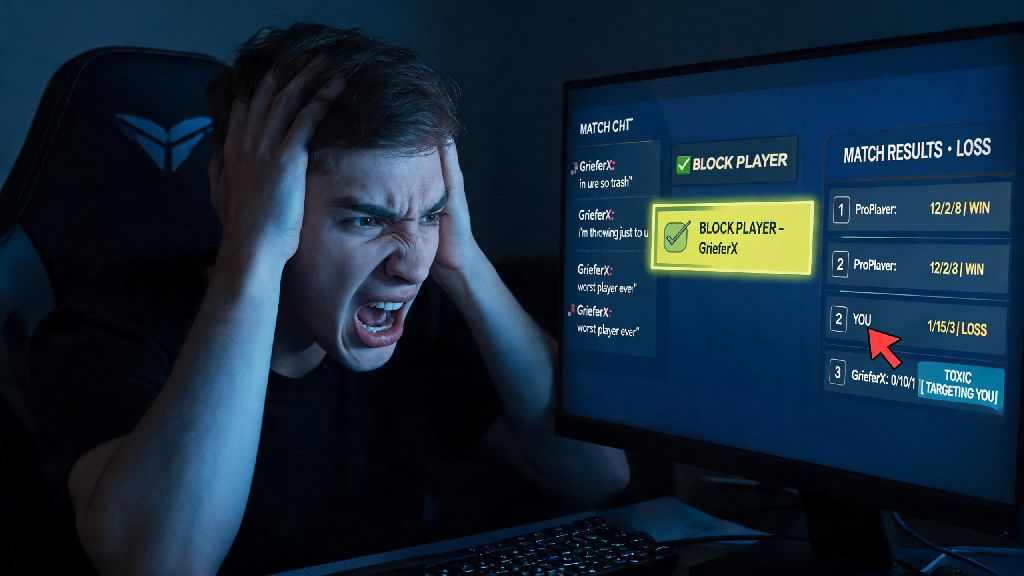
We’ve all been there: you queue up for a ranked Dota 2 match, get paired with a player who intentionally feeds first blood, spams slurs in chat, and refuses to play the objective the entire 40-minute game. It’s enough to make you want to log off for good, which is why knowing how to avoid players in Dota 2 is one of the most underrated skills every player should master. You don’t have to put up with toxic behavior, griefing, or repeated bad matches with the same bad actors if you know the right tools and tricks to keep them out of your lobbies. Even small adjustments to how you manage your post-match workflows can cut down on bad pairings by 60% or more, according to community behavior surveys.
Use Valve’s Built-In Block and Avoid Player Tools First
Valve added a native avoid player feature years ago, and it’s still the most effective first step for keeping problem players out of your matches. After any game, head to the post-match scoreboard, click on the player’s profile, and select the “Avoid Player” option to ensure you won’t be matched with them for 30 days. You can also mute chat and voice communications permanently for any player you don’t want to interact with, even if you don’t use one of your limited avoid slots on them. You only get 15 active avoid slots at a time, so don’t waste them on players who just had one bad game or missed a critical stun. Reserve these slots for players who intentionally grief, use hate speech, or actively throw matches for no reason. If you run out of slots, you can remove older avoid entries for players you haven’t seen in months to make room for new problem users. Muting is always a better first step for minor annoyances, since it doesn’t take up one of your limited slots.
Queue With Pre-Made Parties to Skip Random Player Risks
Queuing with 2 to 4 friends you already know and trust is one of the most reliable ways to cut down on bad player encounters. You can align on playstyle, communication preferences, and goals before you even queue up, so you won’t end up stuck with a random player who only wants to troll instead of push objectives. If you don’t have existing friends who play Dota 2, you can join official community Discord servers, subreddit groups, or in-game guilds to find players at your rank who share your priorities, whether that’s climbing ranked or messing around in Turbo mode for fun. If you’re waiting for your party members to get online, you can fill the downtime with quick, low-stakes games to keep your reflexes sharp without jumping into a solo queue you’re not ready for. Many players use this time to play casual card games between matches, and Rummy91 is a popular pick for quick 10-minute rounds that don’t require you to focus as hard as you would in a Dota 2 lane. Queuing with a full 5-stack eliminates the risk of being paired with random toxic players entirely, so it’s the best option if you’re grinding ranked for long sessions where you don’t want to waste time on avoidable losses. Just make sure your party is within one rank tier of each other to avoid unfair matchups against higher-ranked teams.
How to Avoid Players in Dota 2 Who Are Smurfing or Hacking
Smurfs and hackers are some of the most frustrating players to run into, because they ruin match fairness entirely, even if they’re not openly toxic. Smurfs are high-skill players who create new, low-rank accounts to stomp newer players, while hackers use third-party tools to get map hacks, auto-casts, or other unfair advantages. Both violate Valve’s terms of service, so you should always report them after the match, in addition to using an avoid slot on them. Keep your own behavior score above 9,000 and you’ll be paired with other high-behavior players who are far less likely to grief, smurf, or harass teammates. Your behavior score is calculated based on reports, commends, and in-game actions, so avoiding toxic chat and playing objectives will help you raise it over time. Common signs a player is smurfing or hacking include:
Use Third-Party Tools to Track Problem Players Before Matches Start
There are a number of community-built tools that let you check player profiles and history during the pick phase, before the match actually starts. These tools pull data from public Dota 2 APIs to show you a player’s behavior score, past report history, smurf likelihood, and common playstyles, so you can spot problem players before you lock in your hero. Dodging a match with a known griefer costs you a 5-minute queue timeout, but that’s far better than wasting 40 minutes in a match you can’t win. Only dodge matches if you see a player with a confirmed history of griefing or smurfing, not just because someone picked a hero you don’t like or you don’t agree with their lane assignment. Never share personal information or harass players you’re avoiding, even if they ruined your match – that can get your own account banned, which defeats the entire purpose of improving your match experience. The goal is to remove bad players from your lobbies, not to engage with them or escalate conflict. If a player is harassing you across multiple accounts, you can submit a support ticket to Valve to get a permanent block put in place.
At the end of the day, Dota 2 is supposed to be fun, even when you’re grinding ranked to climb to your next medal. Taking a few extra minutes to learn how to avoid players in Dota 2 that ruin your experience will make every match feel more rewarding, and help you focus on what matters: getting better at the game and enjoying time with teammates you like. You don’t have to put up with toxic behavior, griefing, or smurfs ruining your grind – use the tools available to you to build the match experience you want.