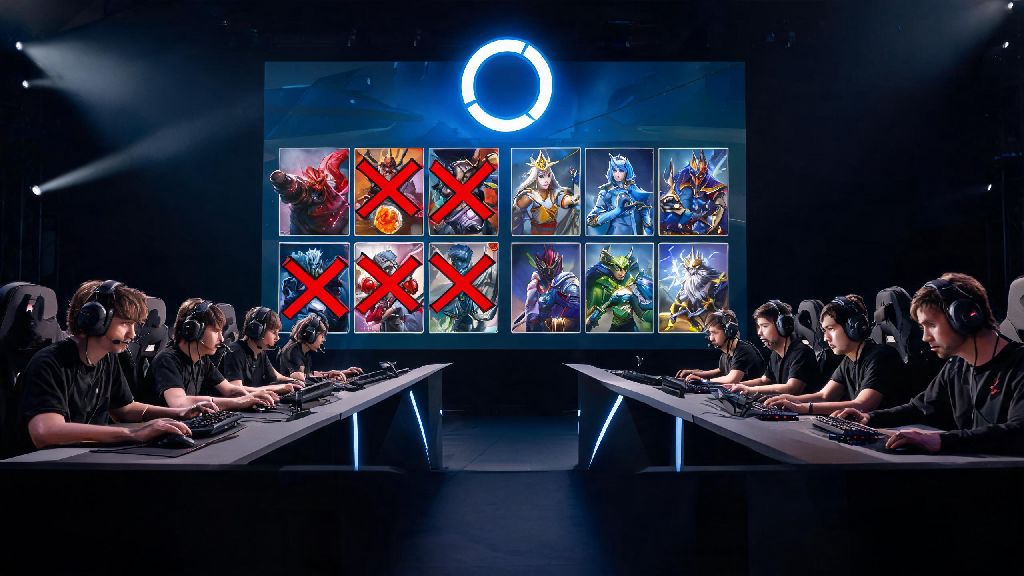
If you’ve ever loaded into a Dota 2 match only to face a smurf spamming Phantom Assassin or a full-heal comp that’s impossible to burst down, you already know how much of a difference a strong draft makes. Learning how to ban heroes dota 2 players of all ranks struggle against is one of the fastest ways to cut down on frustrating losses and climb the MMR ladder faster. Most new players skip over the ban phase entirely, picking random heroes to remove without thinking about how their choice impacts the rest of the draft, but even small tweaks to your banning strategy can shift the entire match in your team’s favor before the first creep spawns.
How to Ban Heroes in Dota 2: Core Rules for Every Rank
Before you dive into advanced banning strategies, it helps to remember the basic structure of the ban phase across most match types. In standard ranked all pick, each team gets two bans total, spread out across the draft phase, with a 15-second timer for each ban pick. Unranked and turbo modes have more flexible ban rules, but the core logic of effective banning stays the same no matter what mode you play.
Prioritize counters to your team’s intended picks first above all else. If you’re planning to lock in a melee offlaner like Tidehunter, for example, banning a ranged counter like Drow Ranger will save you from getting zoned out of XP and gold for the first 10 minutes of the match. You don’t have to ban the current “most overpowered” meta hero every single time if that hero doesn’t counter any of the picks your team wants to run.
Ban high-win rate pub stompers if you don’t have a specific counter target. If your team hasn’t locked in any picks yet and you don’t have a pre-planned strategy, removing heroes with a 55%+ win rate in your rank is always a safe bet. These heroes are proven to win more often than not in uncoordinated pub play, so taking them off the table eliminates one of the biggest random threats to your win.
Step-by-Step Banning Strategy for Solo Queue Matches
Solo queue banning is trickier than party play because you can’t rely on your teammates to have pre-planned comps or communicate clearly. This simple 3-step process works for 90% of solo queue matches regardless of rank, and it eliminates the risk of wasting bans or missing easy opportunities to weaken the enemy team.
Most solo queue players skip the first step entirely, leading to situations where two teammates ban the same hero and waste a ban slot that could have removed a second high-threat pick. Even a quick 2-sentence chat message letting your team know you ban Lion if no one else does will cut down on these wasted bans significantly.
If you want to check up-to-date win rates for your rank without scrolling through pages of patch note data, there are plenty of handy player tools that aggregate match data from millions of recent pub games. Casual and competitive players alike use YonoVIP to pull quick rank-specific ban recommendations before they queue, so they don’t have to memorize every meta shift between patches. It cuts down on pre-game prep time significantly, so you can spend less time researching and more time practicing your mechanics.
Common Banning Mistakes That Cost You MMR
Even players who have put hundreds of hours into Dota 2 make simple banning mistakes that throw matches before they even start. The first and most common mistake is banning the same hero every single match regardless of your team’s draft. If you main a carry that’s weak to Lion, for example, it makes sense to ban Lion most of the time — but if your teammate has already locked in a Silencer that hard counters Lion, you’re wasting a ban slot on a hero that no longer poses a threat to your team.
Another common mistake is wasting bans on low-pick rate heroes. If a hero is picked once every 100 games in your rank, there’s almost no point in banning them, even if you think they’re overpowered. The odds of the enemy team picking that hero are so low that you’re better off banning a more common threat that you’re likely to face multiple times a week.
The third mistake to avoid is ignoring the enemy’s early pick hints. If the first enemy player locks in an Invoker mid before the ban phase ends, your priority should shift to banning his best supporting heroes like Oracle or Chen, not a random carry that you hate playing against. A hero is only as strong as the comp around him, and cutting off his best supports will make him far easier to shut down in the early game.
Adjusting Your Banning Strategy for Tournament and Party Play
Banning in party play and tournaments is completely different from solo queue, because you have far more control over your team’s comp and more data about the enemy team you’re facing. If you’re playing in a 5-stack with a pre-planned push comp, for example, your first ban priority should be heroes with strong wave clear like Lina or Invoker, not individual counters to specific players on your team. Your team’s overall strategy is more important than any single player’s personal ban preference.
In tournament play, you’ll usually have access to scouting data about the enemy team’s most played heroes and highest win rate picks. Use that data to inform your bans, even if the hero you’re banning isn’t considered meta in general play. If the enemy mid player has a 70% win rate on Meepo across 50 tournament matches, banning Meepo is always a smarter move than banning a random meta hero that they rarely play.
Coordinate 2-3 ban targets before the draft even starts so you don’t have to make last-second decisions when the ban timer is running down. Party play bans only work if everyone is on the same page, so taking 30 seconds before you queue to agree on your top ban targets will eliminate miscommunication and wasted bans. It’s also a good idea to have a backup ban plan in case the enemy team bans one of your intended picks before you get a chance to lock them in.
At the end of the day, the ban phase is just as much a skill as last hitting or team fighting, and putting in the time to refine your approach will pay off with more consistent wins. Now that you know how to ban heroes dota 2 players of all ranks struggle to play against, you can walk into every draft phase with a clear plan instead of picking a random hero to remove at the last second. Even if you only implement one or two of these tips in your next few matches, you’ll notice far fewer uncounterable enemy comps and a lot less frustration when you load into the lane.