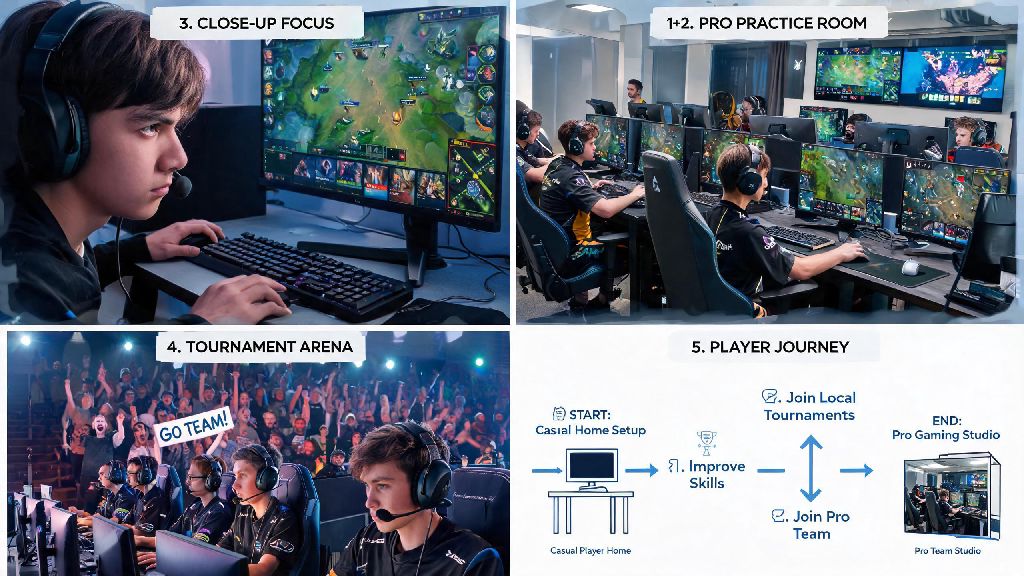
If you’ve spent late nights grinding ranked matches, yelling at your teammates for missing a stun, and wondering if you have what it takes to turn your hobby into a paid gig, you’ve probably asked how to become a Dota 2 pro player. The path isn’t easy—less than 1% of active ranked players ever make it to the professional scene, and even fewer stick around long enough to earn a stable income. But that doesn’t mean it’s impossible. I spent three years competing in semi-pro Dota 2 circuits across Southeast Asia, and I’ve seen regular players go from 3k MMR to signed rosters in under two years, as long as they follow a structured plan instead of mindlessly grinding pubs.
How to become a Dota 2 pro player: start with fixing your core skill gaps first
A lot of new players jump straight to grinding ranked matches to raise their MMR, but they skip over the fundamental skills that separate casual players from pros. You could have 9k MMR and still get passed over for pro rosters if you have consistent gaps in your basic play that cost your team games. Before you even start worrying about getting scouted, you need to master four non-negotiable core skills that every pro player has locked down:
You can work on these skills even in low-ranked pubs, so don’t wait until you hit Immortal to start practicing them intentionally. Every match is a chance to build these habits, and they’ll pay off far more than spamming meta heroes to raise your MMR fast.
Stop grinding random pubs and focus on structured competitive play
A lot of new players who want to know how to become a Dota 2 pro player make the mistake of thinking solo MMR is the only metric that matters, but that’s far from the truth. Pro Dota 2 is a team game, and solo queue doesn’t teach you the communication, drafting, and coordinated play that’s required to win professional matches. Most pro scouts don’t even look at solo MMR once a player hits 8k—they care far more about your tournament results and performance in structured scrims against other high-level teams.
Once you hit 7k MMR, you should cut your solo queue time down to 20% of your total play time, and spend the other 80% on structured competitive play. Join regional in-house leagues, sign up for every amateur tournament you can find, and join a regular scrim team that plays at least 4 days a week. These games will force you to learn how to work with a fixed set of teammates, adjust your playstyle to fit a team’s strategy, and do post-game reviews to fix collective mistakes.
I’ve seen 7.8k MMR players get signed over 10k MMR players multiple times, simply because the lower MMR player was better at communicating, took feedback well, and fit into the team’s existing playstyle. Solo MMR only shows how good you are at carrying random strangers, and that’s not what pro teams are looking for.
Build your personal brand and make yourself visible to scouts
Even if you’re the most skilled player in your region, no one will sign you if they don’t know you exist. Pro teams get hundreds of applications a month, so you need to stand out from the crowd if you want to get noticed. The easiest way to do this is to build a small public profile for yourself in the Dota 2 competitive community.
Start by streaming your scrims and tournament matches, and post short highlight clips of your best plays on social media. You don’t need 10,000 followers—even 100 active followers who are part of your regional competitive scene will get your name out there. Join all the public regional Dota 2 competitive discord servers, and participate in discussions respectfully. Always be respectful in game and in community spaces—scouts will immediately write you off if you have a reputation for flaming teammates or throwing games when things go wrong. I used to help scout for a local tier 2 team a few years back, and we passed on multiple extremely talented players because they had a history of toxic behavior in in-house leagues.
You should also upload your match replays to public databases with notes on what you did wrong and what you’re working to improve. This shows scouts that you’re committed to growth and self-awareness, which are far more valuable than raw skill for long-term success. Building this kind of positive reputation is one of the most underrated steps for anyone working out how to become a Dota 2 pro player.
Treat your pro journey like a full-time job, not a hobby
If you’re serious about learning how to become a Dota 2 pro player, you need to set a fixed schedule and stick to it, even when you don’t feel like playing. Pro Dota 2 players don’t just log on for 4 hours a day when they’re bored—they have structured routines that include practice, review, physical activity, and rest to avoid burnout.
You should spend at least 2 hours a day reviewing your past matches, not just playing new ones. When you’re in the middle of a game, you don’t have time to notice small mistakes like bad positioning or missed gank opportunities, but reviewing replays lets you spot those patterns and fix them. Most pro players review every single scrim and tournament match with their team, and spend extra time reviewing their own individual play on their own time.
Don’t neglect your physical health—sitting at a desk for 12 hours a day will lead to wrist injuries, back pain, and lower reaction time, all of which will hurt your performance. Most top pro teams require their players to do 30 minutes of physical activity a day, and take one full rest day a week to avoid burnout. You don’t need to join a gym—even a short walk every day will make a huge difference in your energy levels and focus.
You also need to be realistic about your odds. Only 10% of players who sign tier 2 pro contracts ever move up to tier 1 and earn a stable living wage, so you should have a backup plan in case things don’t work out. Keep up with your school work or keep a part-time job for the first year or two of your pro journey, so you don’t end up in a bad spot if you decide competitive play isn’t for you.
At the end of the day, learning how to become a Dota 2 pro player is as much about discipline and teamwork as it is about raw mechanical skill. You don’t need to be the highest MMR player in the world, but you do need to be willing to put in the work to fix your weaknesses, work well with others, and put yourself out there for scouts to see. I’ve watched players go from casual pub gamers to competing in The International qualifiers in just a few years, and there’s no reason you can’t do the same if you’re willing to stick to the plan and not give up when you hit rough patches. Just remember to have fun along the way—if you stop enjoying the game, none of the pro glory will be worth it.