If you’ve ever spawned into your first Dota 2 match, stared at the cluttered shop interface, and bought a random item just to get out of base faster, you’re not alone. A huge portion of new player losses come down to poor item choices, not bad mechanical skill. We’re breaking down exactly how to buy items Dota 2 the right way, with actionable tips you can use in your very next match to stop wasting gold and start carrying your team.
Core Steps to Follow When Learning How to Buy Items Dota 2
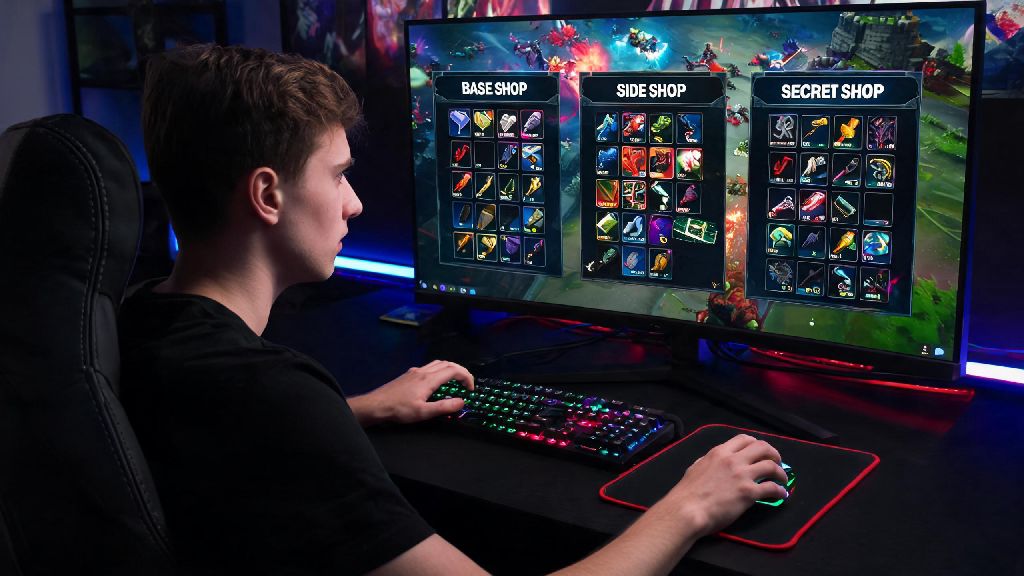
First, get familiar with the three shop locations you’ll use every match. The base shop is available right where you spawn, and sells all low-tier components, starting items, and basic support gear. The side shops are located near each team’s safe lane and mid lane, and sell common mid-game components so you don’t have to walk all the way back to base to finish small items. The secret shops are located in the jungle on both sides of the map, and sell rare high-tier components you can’t get anywhere else. Always check your hero's core item build first before making any purchase to make sure you’re not wasting gold on components you don’t need.
When you first spawn into a match, you have a 60-second pre-game window to buy your starting items before the creeps spawn. Don’t waste this time messing with your hero cosmetics—pick up your core starting items first, like tangos, mana potions, and stat wraiths or gauntlets depending on your hero’s role. You can also queue items in the shop interface by right-clicking them, so as soon as you earn enough gold, the item will be automatically purchased next time you’re near a shop that sells it. Secret shops sell high-tier, game-changing items you can't get in the base shop, so mark their locations on your minimap early so you don’t get lost looking for them mid-match.
Before you click buy on any item, run through these three quick checks to avoid costly mistakes:
These checks take less than 10 seconds total, but they’ll save you from hundreds of gold worth of wasted purchases every match. I’ve seen new players lose lanes because they forgot they had a empty inventory slot and bought three extra mangoes they never used, delaying their core item by two full minutes. Don’t be that player.
Common Item Purchasing Mistakes Most New Players Make
The biggest mistake new players make is buying luxury high-damage items way too early, before they have any sustain or escape tools. For example, a Phantom Assassin player who saves for Divine Rapier first will get deleted in every team fight before they can get a single hit off, and likely feed the expensive item to the enemy team. Never buy an expensive high-risk item unless your team is already ahead and you have enough escape tools to keep you alive if you get focused.
Another common mistake is ignoring utility items entirely to stack pure damage or armor. A mid Invoker who only buys magic damage items and no Black King Bar will get stunned and deleted by enemy supports in every team fight, no matter how much damage they can deal. Even carry players need to invest in at least one utility item like Blink Dagger or Glimmer Cape to survive team fights, especially if the enemy has lots of stuns or burst damage. Don’t fall into the trap of thinking damage is the only thing that matters.
Wasting gold on unnecessary consumables is another easy way to fall behind. If you’re playing a strength carry with high natural health regen, you don’t need to buy five tangos at the start of the lane—two tangos and a faerie fire will be more than enough, and the extra gold can go towards your first core item faster. I once played a match with a new carry who spent 400 gold on extra consumables in the first 10 minutes that they never touched, and they finished their Power Treads three minutes later than the enemy carry, which lost us the lane entirely.
How to Time Item Purchases for Maximum Match Impact
Item timing is just as important as the items you buy, especially for carry and mid players. Every hero has key power spikes tied to specific items: for example, Juggernaut gets a massive power spike when he finishes his Battle Fury, which lets him farm entire waves of creeps in seconds and take objectives much faster. Time your back to base right after you hit the gold threshold for a core item, so you don't lose out on valuable farm while you're away from lane. If you have to back early because you’re low on health, spend whatever gold you have on small components for your next core item instead of saving it, so you’re still making progress towards your power spike.
You also need to adjust your purchase timing based on what the enemy team is doing. If the enemy carry just finished their Desolator, you don’t want to keep saving for your next damage item—prioritize a Platemail or Vanguard first to reduce the damage they can deal to you, even if it delays your core build by a minute. If your team is planning to take Roshan in the next two minutes, spend your gold on support items like Observer Wards and Smoke of Deceit instead of saving for your own luxury item, because a successful Roshan kill will give your team a much bigger advantage than one extra item for you.
For support players, timing your utility item purchases can turn losing team fights around. If you notice the enemy mid is starting to roam and gank your side lanes, buy a Glimmer Cape or Force Staff as soon as possible to save your teammates from ganks, even if it means you don’t get your Arcane Boots for a little longer. Supports don’t need expensive damage items to be useful—well-timed utility items win far more matches than a support with a luxury damage build.
Situational Item Purchases That Win More Matches Than Default Builds
Most new players just follow the first default build they find online, and never adjust their purchases to the specific match they’re playing. That’s a huge mistake. Default builds are designed for average matchups, but if the enemy team has three burst magic damage dealers, you don’t need to buy that extra damage item first—pick up a Hood of Defiance or Pipe of Insight instead to reduce the damage your entire team takes. Default builds are a starting point, not a rulebook—adjust every purchase to the specific match you're playing.
For example, if you’re playing a support and your carry is getting ganked every two minutes, buying a Force Staff to save them is way more valuable than saving for your Aghanim’s Scepter. I once won a ranked match as Lich by ditching my planned Aghanim build entirely to buy a Glimmer Cape and Pipe of Insight, because our team had no magic resistance against a fed Invoker and Lina. Our carry was able to survive their burst damage long enough to delete both of them, and we ended up winning the match off that one adjustment to my build.
You also don’t have to finish every item you start building. If you started building a Desolator but the enemy team just stacked three armor items, switch to building a Monkey King Bar instead, which ignores armor and will deal far more damage. It’s okay to waste a few hundred gold on a component you don’t use if it means you’ll be far more effective in team fights for the rest of the match. Too many players stubbornly finish a bad item just because they already bought the components, and it costs them the match.
At the end of the day, learning how to buy items Dota 2 isn’t about memorizing every single item stat or copying pro player builds perfectly. It’s about understanding what your team needs, what counters the enemy team’s strengths, and how to use your gold as efficiently as possible. You’ll make bad purchases from time to time, even when you follow all these tips, but every mistake is a lesson you can use in your next match. Test different builds and item choices in unranked matches first to see what works for you, and you’ll be winning more matches in no time.